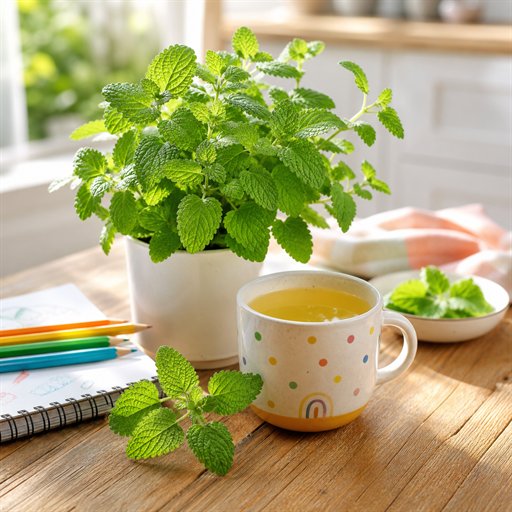
If you have a little one who struggles to sit still, melts down easily, or just can't seem to settle long enough to focus at school, take heart; you are not alone, and you are not without options. Before turning to medication, it's worth starting with the gentlest tools first. One of the loveliest of those tools for children is a soft, lemony herb called lemon balm.
It's calming, it's kid-friendly, and it may be exactly the gentle nudge a child needs to feel more at ease and more able to concentrate. Let's learn about it together.
What is lemon balm?
Lemon balm (Melissa officinalis) is a mild member of the mint family with a bright lemon scent that children tend to love. It's considered one of the gentler herbs, with minimal side effects, which is part of why it's so often used with little ones.
It's also surprisingly nourishing. Lemon balm is rich in trace minerals like boron, manganese, copper, selenium, chromium, molybdenum, iron, and silica, and it helps the body hold on to its B12 stores.
Gentle calm
Lemon balm has a mild calming quality that may take the edge off restlessness without feeling heavy.
Focus support
A calmer body can make it easier for a child to pay attention and stay with a task.

Restful sleep
Families often use lemon balm in evening routines to help children wind down.
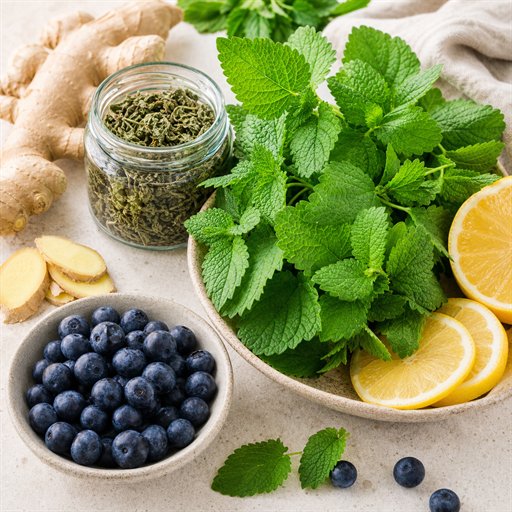
Whole-body support
Lemon balm is also known for digestive, immune, antiviral, and antioxidant support.
Why lemon balm can help an overactive, distracted child
Here's what makes lemon balm such a wonderful starting point for children who have a hard time focusing or sitting through class:
- It has a mild calming effect. Lemon balm is known for its gentle, slightly sedative quality, which can take the edge off restlessness and hyperactive tendencies without making a child groggy.
- It supports focus and mood. Studies have shown improvements in cognitive functioning and mood with lemon balm, meaning a calmer, more settled child may find it easier to pay attention and stay on task.
- It eases the stress response. Lemon balm helps soften the physical effects of stress, which can help an anxious or overstimulated child feel more grounded and ready to learn.
For a child who comes home wound up, struggles to move from one activity to the next, or has trouble settling in at school, lemon balm can be a calming, supportive first step, helping them sit through class a little more easily and feel more like themselves.
A few more reasons to love it
Lemon balm is a true multitasker. Beyond calm and focus, it can also:
- Soothe the digestive tract and ease tummy troubles.
- Support restful sleep.
- Offer antiviral and immune-supporting benefits.
- Provide antioxidants that help the body manage everyday stress.
Easy ways to give lemon balm to kids
The beauty of lemon balm is how simple it is to work into a child's day:
Gentle starts
- Tea: steep fresh or dried leaves in hot water, let it cool, and sweeten lightly with a touch of raw honey. A warm cup before homework or a cool cup in a water bottle for school both work well.
- Fresh from the windowsill: lemon balm grows easily indoors. Let your child help tend it, then toss a few fresh leaves into smoothies, fruit salad, or water.
Other options
- Tincture: a liquid extract makes it easy to give a small, consistent amount. Look for a clean, kid-appropriate option and follow the label's guidance for children.
- Topical: properly diluted in a carrier oil, lemon balm (Melissa) essential oil can be massaged into the shoulders or feet at bedtime for an extra calming ritual.
How to start: low and slow
When introducing any new herb, begin with a small amount and watch how the child responds over a few days. Many families like to start with a mild tea in the late afternoon or before school. Keep it simple, keep it consistent, and let it become a cozy part of the routine.
Support kids with steady food rhythms
Use AIM to plan kid-friendly meals, snacks, and gentle routines around your household's real needs.
Build my meal planThis post is for educational purposes only and is not intended as medical advice. Before adding or adjusting any supplement or herb in a child's routine, especially if they take medication or have a health condition, consult with a trusted health practitioner first.