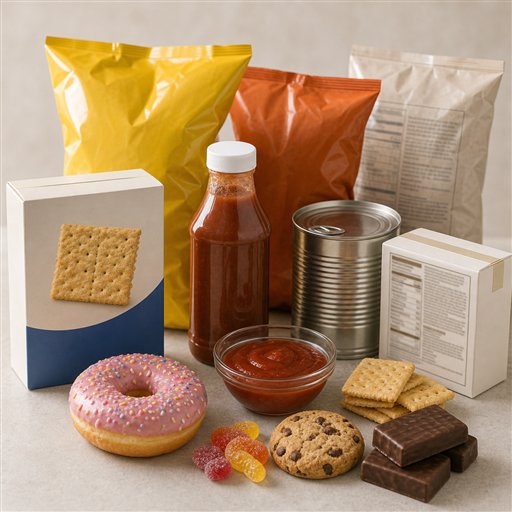
Bright, candy-colored foods are designed to catch the eye — especially a child's. But behind those cheerful colors are artificial dyes that research has increasingly linked to real health concerns. Studies connect synthetic food dyes to hyperactivity in children, hives and respiratory issues, eczema, headaches and migraines, digestive trouble, difficulty concentrating, behavioral and emotional swings, and more. Here are three important things to understand — and what to reach for instead.
1. People Are Eating Far More Dye Than They Realize
Per-person consumption of artificial food dye has increased more than fivefold since 1950. These dyes hide in far more than candy — they turn up in cereals, snacks, drinks, sauces, vitamins, and even some produce coatings. And because labels aren't required to disclose the quantity of dye used, it's nearly impossible to know how much a family is actually consuming.
2. The Effects Aren't Always Immediately Visible
Some reactions to dye are obvious — a burst of hyperactivity, a headache, a rash. But many effects build quietly over time, beneath the surface, without any outward sign in the moment. That hidden nature is exactly why these additives deserve a closer, more cautious look.
3. Children Are the Primary Target
Artificial colors are marketed straight to kids, and it works. Bright, unnatural hues create a powerful pull — both visual and chemical — drawing children toward the very foods that serve them least. Understanding this helps parents gently guide better choices.
The Good News: Color Can Come From Real Food
Here's the encouraging part — you don't have to give up beautiful, colorful celebrations. Nature offers a whole rainbow.
Decorate with whole foods: fresh strawberries, blueberries, bell peppers, and other colorful fruits and vegetables make stunning, edible party décor.
Choose cleaner frostings: try blended soaked cashews with maple syrup, or a simple coconut-sugar-and-plant-butter frosting.
Color naturally with these whole-food powders:
- Pink — pitaya (dragonfruit) powder
- Red — beet powder
- Yellow — turmeric or goldenberry powder
- Green — spirulina or barley grass powder
- Blue — butterfly pea flower powder
- Purple — blueberry powder
The Heart of the Lesson
Small, steady steps add up. The goal isn't perfection — it's awareness. By understanding what artificial dyes are and choosing real-food colors when you can, parents can protect their children's health while teaching them, little by little, to love the vibrant colors nature already provides.
This post is for educational purposes only and is not intended as medical advice. Always consult a trusted health practitioner about your family's individual needs.
Build this into your week
Use AIM to turn whole-food ideas into family meals, snacks, and a ready-to-shop plan.
Build my meal plan